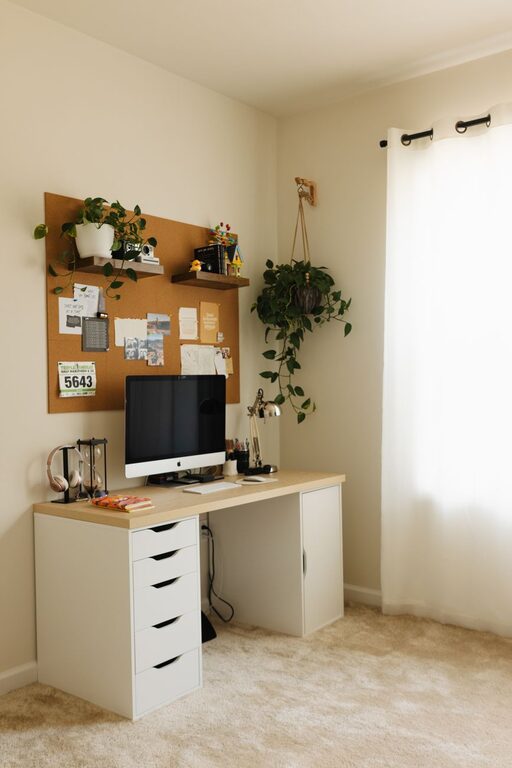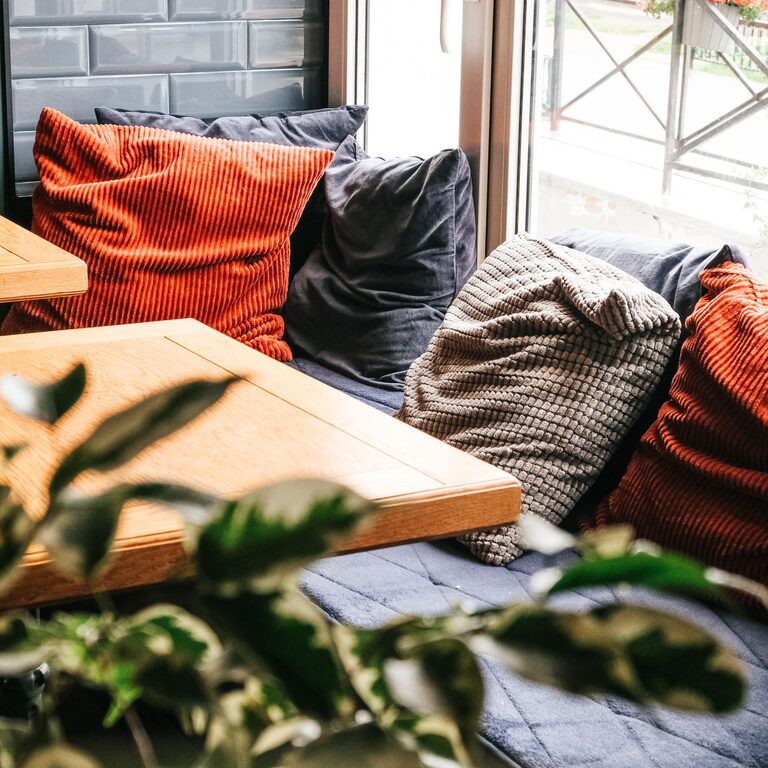
Creating a cozy and inviting home environment is something many of us aspire to, especially after long days filled with work and errands. A welcoming space can provide comfort, reduce stress, and make spending time at home truly enjoyable. Fortunately, you don’t need to spend a lot of money or hire a professional designer to transform your living space. Here are simple, practical tips that can help you create a warm and inviting atmosphere in your home.
1. Embrace Soft Lighting
Lighting plays a big role in setting the mood of a room. Harsh overhead lights can feel cold and unwelcoming, but soft, warm lighting creates a relaxing ambiance.
– Use lamps with warm bulbs instead of bright fluorescent lighting.
– Consider string lights or fairy lights for a gentle glow.
– Candles add both light and a pleasant aroma—just make sure to use them safely.
– Dimmer switches allow you to adjust the light according to your mood and time of day.
2. Add Texture and Warmth with Fabrics
Soft fabrics instantly make a space feel more inviting. Think about introducing a variety of textures for tactile comfort.
– Throw blankets and soft cushions add warmth and visual interest.
– Rugs make cold floors feel cozy underfoot and help define spaces.
– Curtains or drapes soften windows and add color or pattern.
– Choose materials like cotton, wool, or faux fur for a snug feeling.
3. Choose a Soothing Color Palette
Colors influence our emotions and can impact how cozy a space feels.
– Warm tones like soft beige, muted yellows, and gentle oranges promote relaxation.
– Earthy colors such as greens and browns connect you to nature.
– Avoid overly bright or harsh colors in main living areas; instead, use them sparingly as accents.
– Light, neutral walls can make a room feel open but cozy when paired with textured decor.
4. Keep Your Space Organized and Clutter-Free
Clutter can make even the most beautiful room feel chaotic and stressful. A tidy space supports a peaceful mind.
– Use baskets, shelves, and storage boxes to keep items out of sight.
– Make a habit of daily tidying to prevent mess from building up.
– Consider multifunctional furniture that doubles as storage.
– Display only meaningful decorations to keep surfaces clear.
5. Incorporate Natural Elements
Bringing nature indoors creates a calming environment and adds life to your space.
– Houseplants improve air quality and make a room feel fresh.
– Flowers, whether fresh or dried, add color and fragrance.
– Wooden furniture or accents provide warmth and earthiness.
– Natural materials like stone, wicker, and linen can boost the cozy feeling.
6. Personalize Your Space
An inviting home reflects the personality and interests of its occupants.
– Display artwork, photos, and keepsakes that bring you joy.
– Arrange books or collections in a way that tells your story.
– Use scents you love, like essential oils or scented candles.
– Choose decor that feels authentic and comfortable to you.
7. Create Cozy Nooks
Designate specific areas in your home for relaxation and comfort.
– A reading corner with a comfortable chair, good lighting, and soft pillows.
– A small meditation or yoga space for mindfulness and calm.
– A window seat with cushions that invites you to enjoy the view or morning coffee.
– Use room dividers or rugs to visually separate these cozy zones.
8. Pay Attention to Comfort
Comfort is at the heart of a cozy environment. Think beyond appearance.
– Invest in comfortable seating with good support.
– Use soft bedding and pillows that help you rest better.
– Ensure rooms are well-ventilated and kept at a comfortable temperature.
– Add items like slippers or warm robes to enhance home comfort.
9. Use Aromatherapy
Scent has a powerful effect on mood and comfort.
– Essential oil diffusers spread calming fragrances like lavender or eucalyptus.
– Simmering pots with spices and citrus can add a welcoming aroma.
– Regularly freshen your home with natural sprays or fresh air.
– Avoid overpowering scents for a more subtle, inviting effect.
10. Maintain a Good Flow and Layout
How furniture and items are arranged affects how a room feels.
– Arrange furniture so people can move easily without obstacles.
– Group seating to encourage conversation and connection.
– Avoid overcrowding a room with too much furniture or decor.
– Use mirrors to reflect light and make spaces feel larger and more open.
—
Final Thoughts
Creating a cozy and inviting home doesn’t have to be complicated or expensive. By focusing on lighting, texture, organization, natural elements, and personal touches, you can craft a living space that feels warm, welcoming, and truly yours. Small changes often make the biggest difference, so start with one or two tips and watch your home transform into a comforting retreat.
Enjoy the process, and most importantly, make your home a place where you feel relaxed and happy.
About the Author